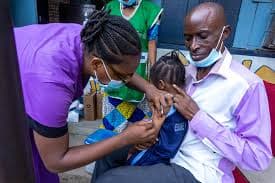
Vaccines protect children from dangerous diseases. This guide covers Nigeria's immunization schedule and what to expect at each vaccination visit.
Why Vaccination Matters
Immunization is one of the most effective public health interventions in history. Vaccines protect your child from serious diseases such as polio, measles, diphtheria, whooping cough, and meningitis — conditions that can cause permanent disability or death.
Nigeria's National Immunization Schedule
At Birth
- BCG (Tuberculosis)
- Oral Polio Vaccine (OPV0)
- Hepatitis B (HepB1)
6 Weeks
- DPT-HepB-Hib (Pentavalent) — 1st dose
- OPV1, IPV
- Pneumococcal Conjugate Vaccine (PCV) — 1st dose
- Rotavirus Vaccine — 1st dose
10 Weeks
- DPT-HepB-Hib — 2nd dose
- OPV2, PCV — 2nd dose
- Rotavirus — 2nd dose
14 Weeks
- DPT-HepB-Hib — 3rd dose
- OPV3, IPV, PCV — 3rd dose
9 Months
- Measles-Rubella (MR) — 1st dose
- Yellow Fever
- Meningococcal A (MenA)
- Vitamin A supplementation
15–18 Months
- MR — 2nd dose (booster)
Common Side Effects and What to Do
Mild reactions such as redness at the injection site, low-grade fever, or fussiness are normal and usually resolve within 1–2 days.
- Apply a cool, damp cloth to the injection site
- Give paracetamol syrup in the correct dose for fever
- Keep your child comfortable and well-hydrated
Seek medical attention immediately if your child develops a high fever, difficulty breathing, or unusual swelling.
Keeping Vaccination Records
Always bring your child's vaccination card to every clinic visit. A complete immunization record is required for school enrolment and travel.
*Visit Ofure Clinic & Maternity Home for your child's vaccines — we follow the National Programme on Immunization (NPI) schedule and international guidelines.*
Have Questions About Your Health?
Our experienced clinical team is here to help. Book a consultation at Ofure Clinic today.
Book an Appointment